
The video loads from YouTube, so it needs your consent for embedded content.
Programme · Full-Length Performances · 2025
Breviary: Do You Love Zadar?
after excerpts from Ante Perković's book ''Volite li Zadar?''
Choreography: Sanja Petrovski
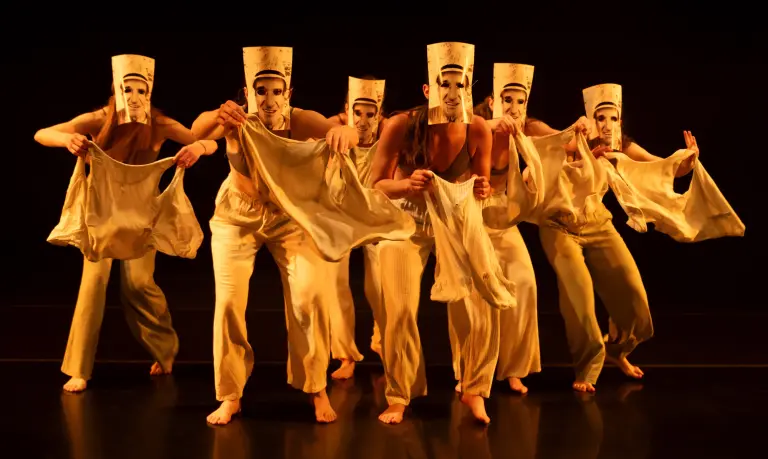
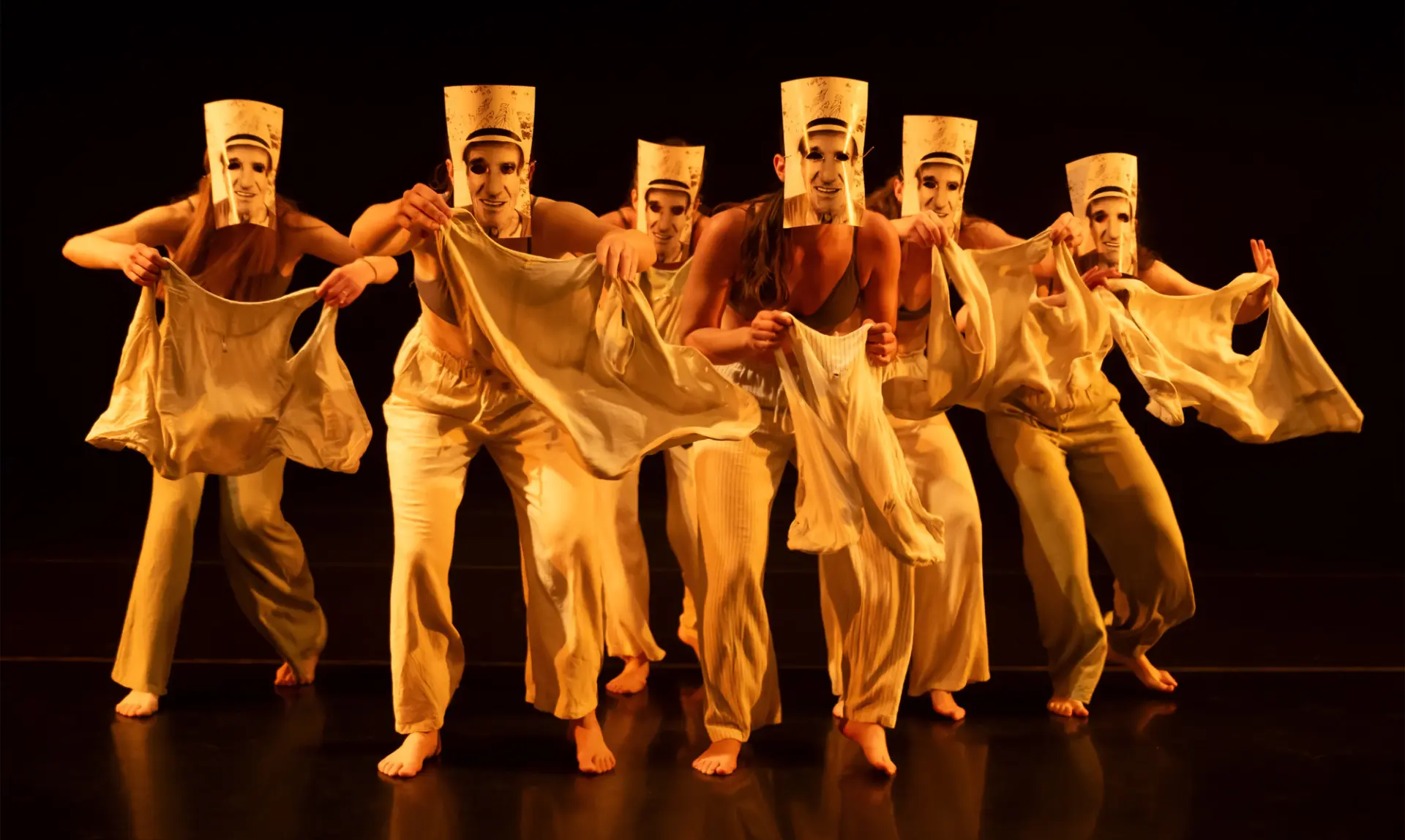
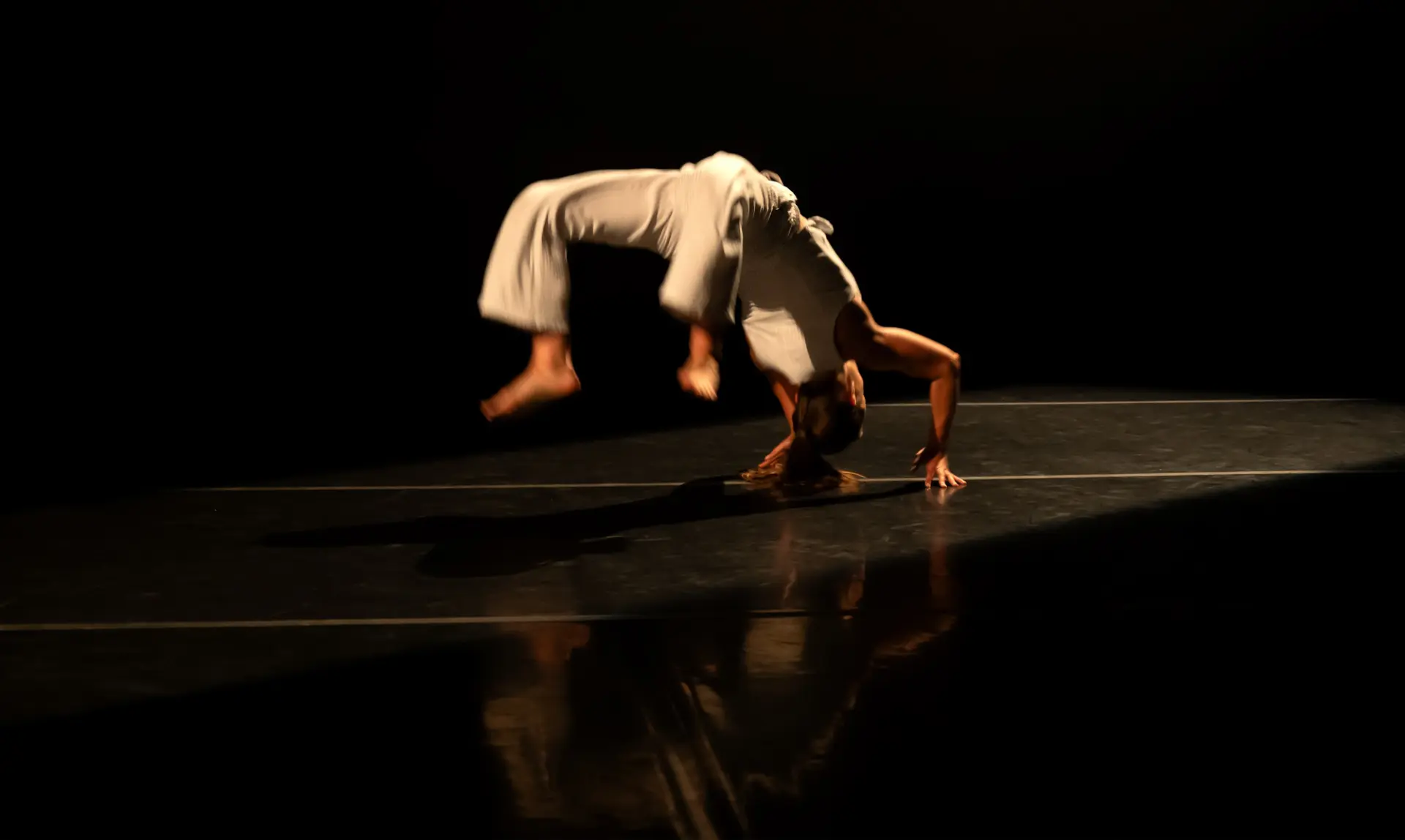
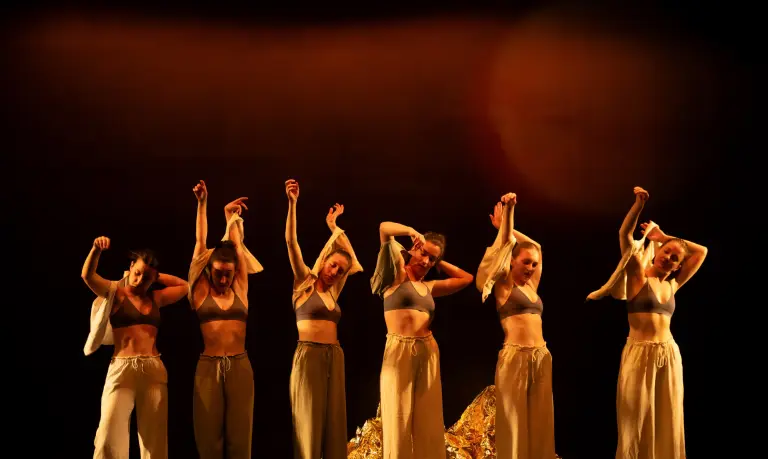
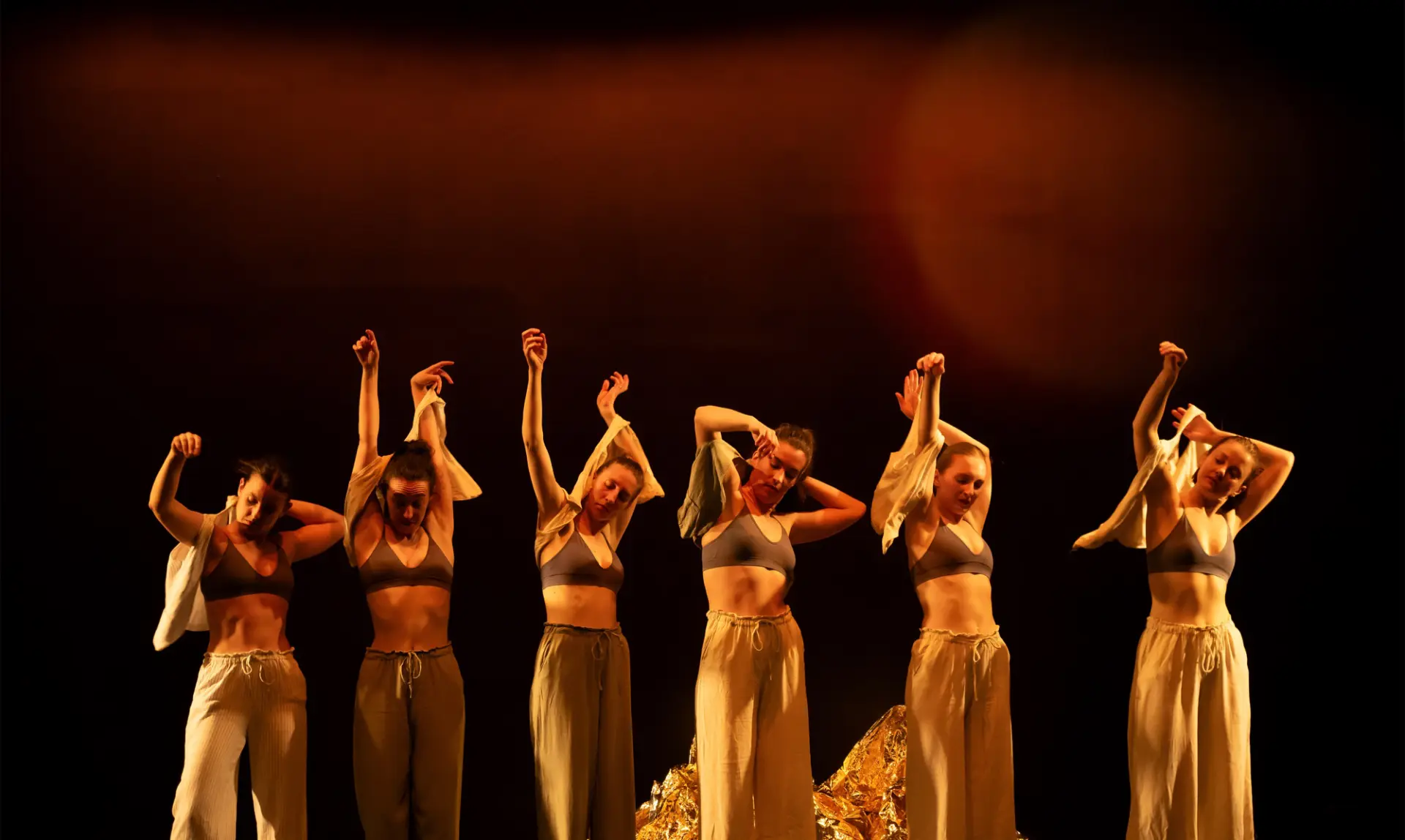
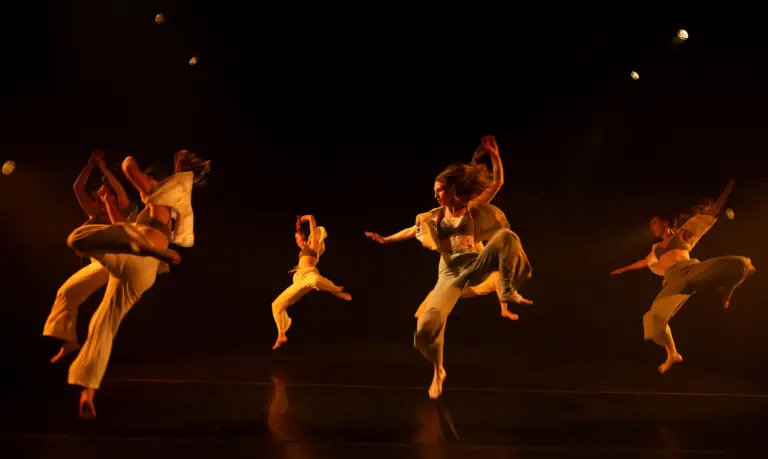
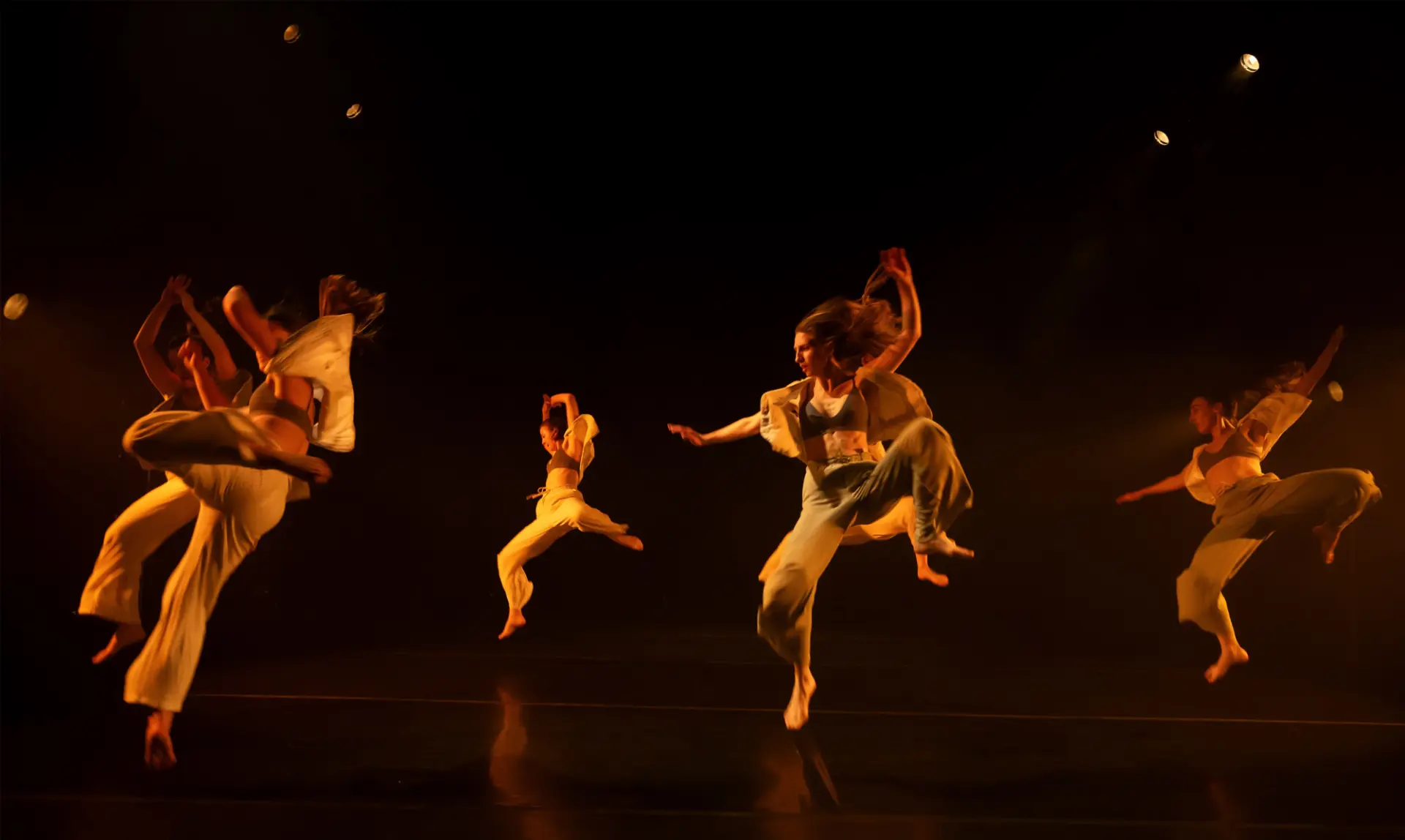
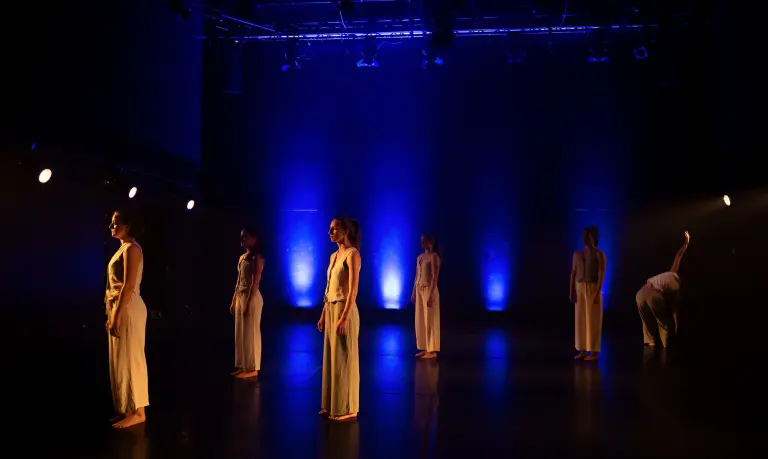
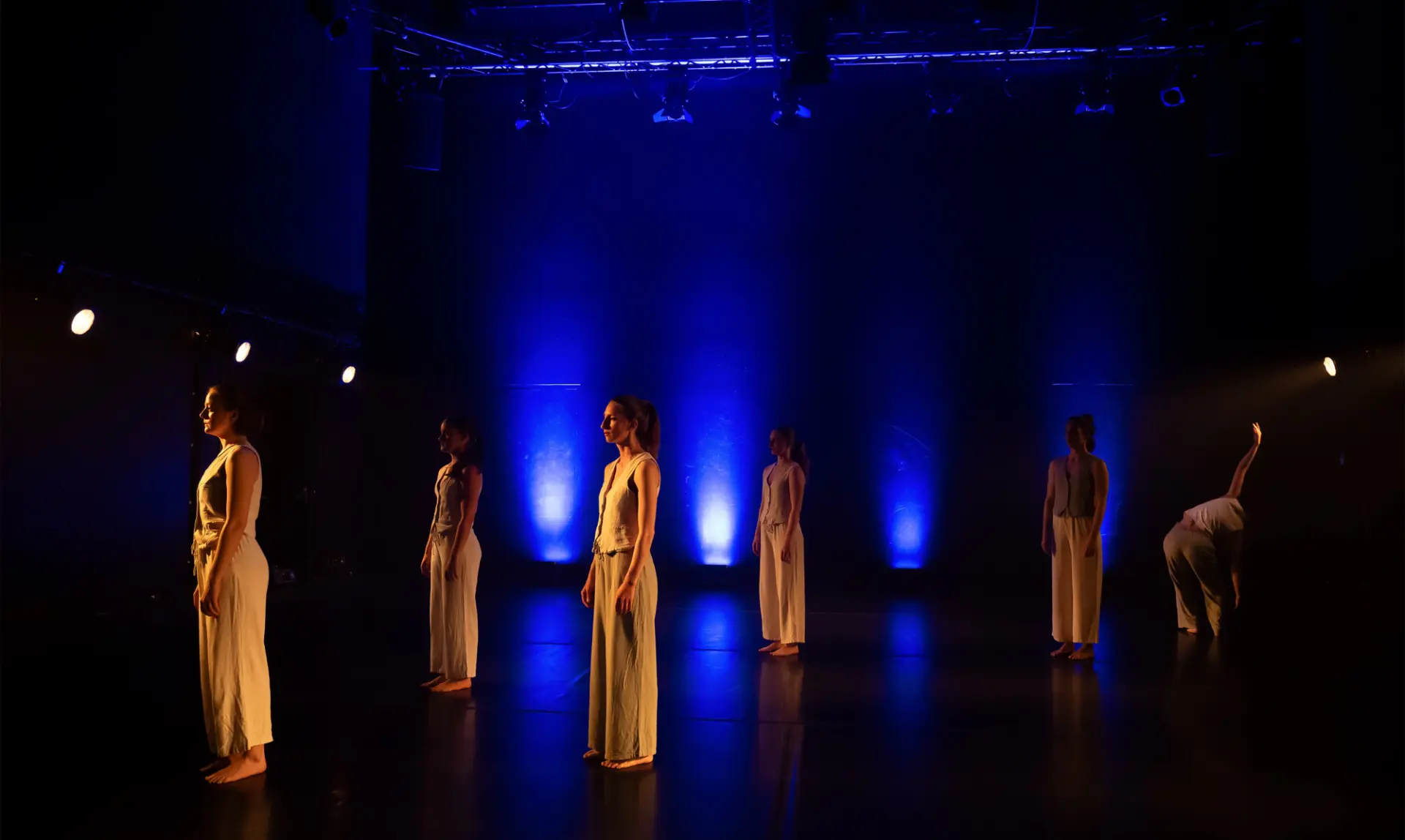
Photo: Nina Đurđević Photo: Nina Đurđević Photo: Nina Đurđević Photo: Nina Đurđević Photo: Nina Đurđević
The new performance of the Croatian National Theatre Zadar in collaboration with the Zadar Dance Ensemble, Breviary: Do You Love Zadar?, is an invitation to dialogue and a reminder of the power of theatre as a means of social criticism and transformation. This stage work, directed and choreographed by Sanja Petrovski in collaboration with her dancers, is interdisciplinary in character, on the boundary between form and content. The performance is also an incentive to find a space of togetherness, support and resistance within the artistic community, a confirmation of identity and a cross section of the accumulated knowledge of the local environment.
The theme of the performance was detected through several literary and journalistic works: Mediteranski brevijar by Predrag Matvejević, Volite li Zadar? by Ante Perković, the short novel Izgubljeni zavičaj by Slobodan Novak and Mediteranski armerun by the author Bruno Ćurko and the photographer Stipe Surać. All these works have a similar structure, which also served as the format of the performance. A city thousands of years old, with the pronounced charm of the Mediterranean way of life, is in a way the main protagonist of the performance. Zadar is a city that was destroyed and rebuilt, that changed and created its new history like no other city on the coast. To achieve a balance between tradition and personal evolution and at the same time to bridge the traumas that come from being faced with the terror of today reality is the task set by the dancers of the Zadar Dance Ensemble, offering a solution through bodily presence and constant renewal.
An extratextual reality, mythical, historically real and surreal, is present in the author of the tourist guide Volite li Zadar?, Ante Perković. It is a guide through notable events from the history of Zadar, a chronology of events from a different angle. Selected interwoven motifs from this cult book tell the story of a city that, at the peak of its civilisational reach, disappears and loses its identity. Communication between people and the city, stolen and memorised moments, dialogues in dance and movement, bodily memory inscribed through petrified recollections, all of it shown through the interpretation of contemporary dance theatre and physical theatre. The bond between people and the city is dynamically incorporated through the connection of theatre, dance and music.
The performance was created as a collage of analogies between the experiences described in the book and the associations awakened in the performing artists during the creative process.
How do you stage a performance that is attractive, visually, in sound and finally emotionally, and not only to a dance audience? A performance that touches the ambience of the Mediterranean without falling into the trap of convention and triviality? ( Sanja Petrovski )
••••••••
It is good to know that noble customs did not die out with the nobility. Many a young man still keeps to them stubbornly. If you are looking for the place where reality will catch you at your hardest, the triangle of Varoška, Stomorica and Kovačka is an excellent choice. There, because of the people, the climate, the sea, the wisdom of alcohol, the tired beauty of the buildings, the glint of eyes in the thick ink of the night or who knows what else, a portal into the surreal stands permanently open.
When you came to Zadar for the first time, that summer before the storm, you said it was a city out of a fairy tale. I thought it was because of me, but the later course of events proved me wrong. It must be that you really felt the ''Caribbean atmosphere'' and heard a language that sounds like a ''happy song''. At the western end of Stomorica, while the sheets fluttered high above and the soft street lights thinned out the night just enough, you saw Barcelona. By then I was no longer sure whether you were boasting about the stamps in your passport or handing out compliments. Like all natives, I suffered from the problem of overexposure: I was not aware of where I lived until I had stepped far enough away. I needed some outside, unburdened gaze to reflect my own city back to me. Then I could be at the same time a stranger and a connoisseur, a tourist and a guide, a northerner and a southerner. I could join the roots and the branches. And at least in that triangle of the Varoš, next to someone walking there for the first time, I could be a whole person. (Ante Perković: Volite li Zadar?)